Thursday, January 12, 2017

Domestic vs. Exotic: What's the Difference?

The Blurred Line Between Domestic and Exotic Animals

Image result for domestic vs exotic animals
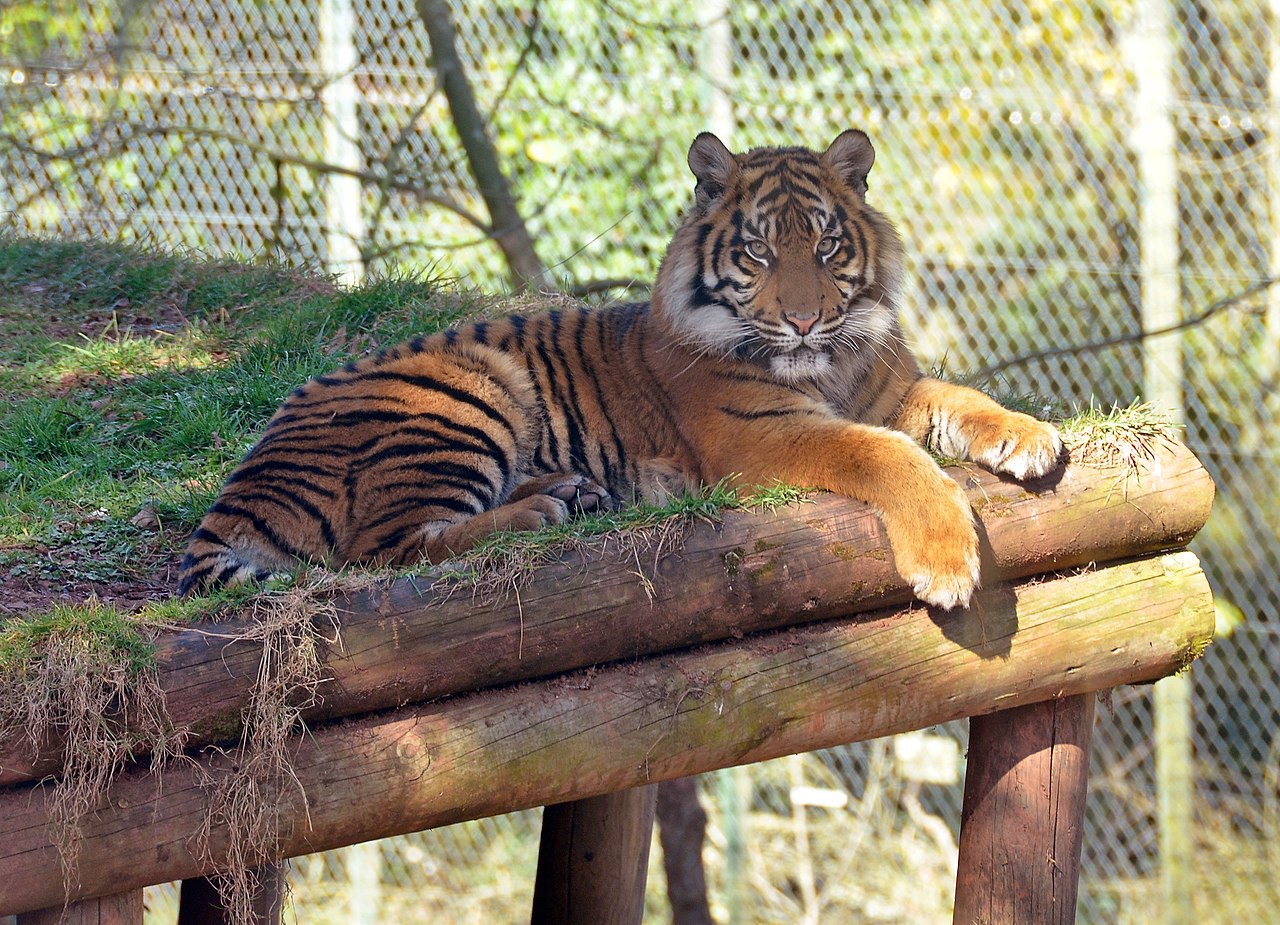
Today's issue will focus on how we define the lines between domesticated and exotic animals, something that many people are confused of in regards to captive animals. Like how do we define a zoo tiger confined in its' enclosure, dependent on human care? The tiger is not strictly "wild", but at the same time, it would easily rip out your throat, so it's not tame. And what about the disappearing habitats where animals normally live in? Is this considered the natural habitat or must the animals adapt? We as humans know the old adage "home is where you make it". Does this apply to animals as well? This post will try to explore the intricate details of how we see animals under our care.
Image result for babies and animals
Most people see domesticated animals as "fully tame" animals that have been bred and raised by humans for profit, be that food, wool, companions, or some other use. Horses, dogs, cats, chickens, pigs, and even koi fish fall under that category. Exotic animals are generally considered those who live in the "wild" and are not under human control. It is important to note that all domesticated species have "wild" counterparts that they are either related to or descended from. Wolves are the ancestors of dogs, tigers and lions are the much larger counterparts to their house relatives, and even wild boars still populate much of Asia. 
Image result for aquaculture koi
The lines though between domestication are definitely blurred to an extent. Even animal scientists disagree on the exact definitions of domesticated, although most agree that it involves being intertwined with humans until they could never be released back into the wild. This can be a little confusing when you factor in feral animals. Feral is an individual of a domesticated species that is not dependent of humans for care, most notable dogs and cats. 
Image result for dogs and humans
Domesticated is different from the word "tame" which means that the animals is no danger to humans, which is sort of misleading. Even dogs, "man's best friend" attack humans on a daily basis. And it gets a little bit more confusing as you dive into every animal species and their own individual case.
Image result for logging elephants
 For example, Asian elephants have worked with humans for thousands of years in the logging business (more have moved into the tourist industry after bulldozers took their place). But the elephants of Thailand and Burma could hardly be considered tame as multiple people are crushed by the imposing animals. Furthermore, while a large number of Asian elephants are "domesticated" and trained from life, they do not pass on those traits to their offspring. 
The list of individual cases go on. It is argued that cats were never truly domesticated. Historians have uncovered evidence that the ancient Egyptians made steps to domesticate the hyena, but never succeeded. Cheetahs were captured and trained to hunt alongside the ancient Emperors of Assyria. War elephants were used by the famous military leader Hannibal. Asian water buffalo exist in both domesticated and wild scenarios. Scientists still debate whether it is possible to domesticate koi which are officially under the domestication list. It's clear that there's a fine line between domestication and wild. 
Zoo animals present another interesting case. As thousands of animals dependent on human care for their food and shelter, they cannot be classified as "wild" as they would die if placed in their natural habitat due to a lack of knowledge on how to take care of themselves. But then again, they are not tame or domesticated, the history of animals attacking their keepers or visitors are well-documented. The death of Carlos Sousa on December 25, 2007 by Siberian tiger Tatiana is one of the most famous, along with the recent death of killer whale trainer Dawn Brancheau by the recently-departed bull orca Tilikum. So zoo animals exist in another limbo where they remain too wild to live with humans (indeed, some zoo animals are set for reintroduction programs) and too tame to live in their natural habitat.
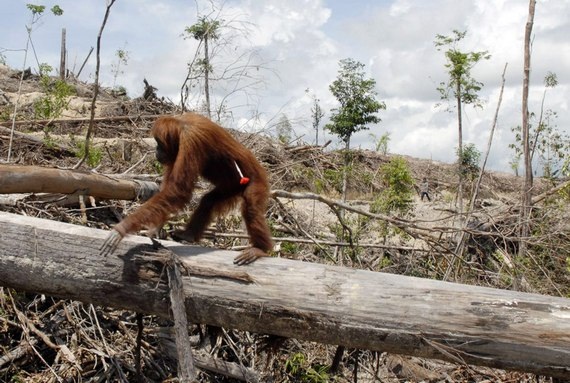
The common course of action when categorizing animals is captive or wild. But really, what is the wild? Most think of the wild as the savannas of Africa, the rain forests of South America, or the Arctic tundras. But the wild has been confined and squeezed into small pockets as humans continue to expand. Most of the world's lion population lives in game parks. It is estimated that a rhino is killed every six hours. The African elephant population has gone down 30% in the past three years. However controversial, the wild is gone. Even in Africa where it is common to think of lush rain forests and expansive savannas, most elephants, zebras, wildebeest, and lions live in game parks with borders drawn by humans.

Domesticated animals are a testament to man's will to dominate nature, there is no other way to describe it. Humans have bound species to help their own survival, for food, friendship, or fur. This is not necessarily bad, as long as the domesticated species are treated ethically. Domesticated animals present an interesting challenge for many as we dive into the next era where animal care has come into more scrutiny than ever before. The exotic animals under our care may receive the most attention, but we as humans also have a duty to also pay attention to the many domesticated animals under our care.

Author's Note: This is a vast subject of many controversies and I intend to write more about the plight of domesticated species. This was meant to be a very brief overview of the fine lines between domesticated and exotic species. It is clear to many that some methods in which we treat domesticated animals are no longer acceptable. Animal science is constantly evolving and shifting. This should hopefully be for the best.

Sunday, October 2, 2016

Captive Breeding: Noah's Ark or Human Transparency?

Captive Breeding: Noah's Ark or Titanic of Destruction?

Image result for captive breeding
Humans have been breeding animals for thousands of years, whether for food, entertainment, or wool. However, the art of breeding animals to save endangered species is a relatively new art that humans have still not perfected. We are currently facing a global extinction crisis, with more and more animals slipping away every day due to habitat destruction, poaching, pollution, and other factors that humans have wrought in expanding our land. Today we'll be focusing on breeding wildlife and how it may or may not be beneficial.
Image result for captive breeding
First of all, let's start out with zoos. Zoos had evolved to their current form where their missions are to promote recreation, conservation, research, and education. And one facet of their enormous system is breeding of animals. Hundreds of elephants, giraffes, lions, tigers, polar bears, red pandas, zebras, and other animals are bred in zoos every year. But what is the value of these captive breeding programs? There is some validity in the Species Survival Plans, the official AZA (Association of Zoos & Aquariums) coordinated plans to breed endangered species. The more than 500 SSPs cover mammals, birds, reptiles, amphibians, fish, and invertebrates exhibited in zoos. The programs shuffle animals around American zoos to promote genetic diversity. While critics of the SSPs argue that the animals are simply being bred for a life of captivity, there is another side. The SSPs provide a stable reservoir of thousands of animals, which could prove valuable in the future if the species go extinct in the wild. Learning how care for animals is something that zoos must learn fast, lest they must save a species from extinction.
Image result for captive breeding
Some zoos tout reintroduction programs as the reason for breeding animals. Zoos are the leaders of their field in reintroducing animals into the wild, succeeding in rejuvenating life into the California condor, Arabian oryx, Przewalski's horse, golden lion tamarin, and whooping crane. But taking a hard look at the zoo reintroduction programs show that the successes are not as much as they potentially could be. Zoos must look after their resident animals before and therefore cannot devote tons of resources into breeding animals for reintroduction. Most animals in zoos will never be reintroduced into the wild. The question is, is it worth it?
Image result for captive breeding
Zoos aren't the only organizations breeding animals. Hundreds of breeders cater to America's hunger for exotic animals. Popular among these breeders are small wild cats (servals, ocelots, bobcats), monkeys, reptiles, antelope, and other rarities like kinkajous and capybaras. America is also home to an incalculable amount of tigers, lions, bears, chimpanzees, and alligators who are held in captivity by thousands of exotic pet owners. Rarer animals, such as elephants, rhinos, red pandas, snow leopards, and gorillas have been kept out of the pet trade for the most part, due to a coordinated effort by the Association of Zoos & Aquariums to keep those endangered species only in respectable institutions. Breeders serve to replenish the trade. Owners prefer young and cute animals, so breeders churn the babies out to keep profits up.
Image result for captive breeding
Sanctuaries fall under a gray area in the art of captive breeding. The definition of "animal sanctuary" is muddled since there is not governing body of sanctuaries. So-called sanctuaries can declare themselves the rescuers of animals while breeding tiger cubs for visitors to pet or bear cubs to be placed in petting zoos. As a general rule, true sanctuaries do not breed their animals, so keep in mind the next time you visit a "respected facility" that they're adding to the problem.
Image result for captive breeding
To be blunt, zoos must breed their animals in order to keep their businesses alive. With no tigers, elephants, or polar bears to attract audiences, it's unlikely that the zoo business will survive. Without zoos, less endangered species will be saved. Current zoos are not perfect, but they do a lot of good in the areas of conservation, research, and education. Without zoos at the forefront, it is likely that the extinction level will proceed even faster. And there are reasons for why zoos breed animal besides profit and conservation. Some animals do better in a family unit, so zoos breed those animals to provide social interactions. Some zoos have taken to breeding amphibians and reptiles in behind-the-scenes rooms for future release. That's good. But what about the lady who breeds tigers to satisfy her desire to care for the massive cats? Do we interfere with her right to own an animal? It is a complicated messy issue that will not be easily solved as there is often a reason for breeding an animal. And those reasons are often controversial in the animal world.
Image result for captive breeding
Author's Note: Captive breeding in zoos will, for the most part, proceed as usual for the next several decades. Attendance at zoos have skyrocketed for the past few decades. But at the same time, a harsher light has been shined on the zoo animal trade and zoos must be more careful in their breeding of their animals, less they devalue the genetic stock or breed purely for profit, igniting a wave of anger from the public. Already, SeaWorld has stopped the captive breeding of their killer whales. Will elephants or dolphins be next?  I can't predict where the captive animal industry will turn next, but it is clear that people are paying more attention to animal welfare than ever before. Zoos and other breeders must evolve to keep up in the next century. 

Tuesday, August 16, 2016

Dangerous Games for Dangerous Animals

Dangerous Games for Dangerous Animals

How Humans Have and Still Use Animals in Entertainment

Humans have long placed animals in different arenas for our own amusement. The Romans built the Coliseum to kill thousands of elephants, lions, tigers, bears, and hippos. The rulers of India used cheetahs to hunt deer. The art of racing or fighting animals have long fascinated the human race and still continues today. People still race horses, fight chickens, and test themselves against a massive alligator, although many of these practices are illegal and quickly going out of fashion despite years of traditional sport. This blog post is a quick run down of some of the lethal games that man still uses with animals and where they are on the extinction list. 

Cockfighting
The art of placing two roosters in a ring and watching them fight to the death sounds grisly...because it should. The ancient art of fighting chickens have lasted 6,000 years and still goes on to this very day. In some cases, professional cockfighters will tie sharp metal spurs to the rooster's legs to maximize damage. Fighting cocks are generally unable to be rehabilitated as most are bred for battle and have to be euthanized once recovered.The United States has outlawed cockfighting in every state and the District of Columbia. Noticeably dragging their feet to illegalize this practice was the state of Louisiana where the Cajun culture and powerful Louisiana lobbyists delayed the ban on cockfighting. While for several years, cockfighters would only be slapped with a small fine, President Barack Obama signed a bill that would threaten cockfighters with jail time, severely halting the messy practice. 

Dog fighting
Much as you'd expect, dog fighting is the art of placing two dogs in a ring and watching them fight to the death, or at least when one is unable to fight any longer. Even messier than cockfighting and with the added bias of human affection toward dogs, and you can see why dog fighting is pretty much a cruel practice. Dog fighting has gone even more out of fashion than cockfighting, although it still happens in Third World countries where the revenue is generated on which dog will come up the least bloody. 

Cricket fighting
The blood sport that involves fighting two large insects actually isn't that bloody. The goal is to have one of the crickets flip the other on it's back. If a cricket loses, the owner will generally toss aside the insect in frustration instead of killing them. A popular past time in China for thousands of years, the sport lost popularity during the Chinese Cultural Revolution, but is enjoying a small revival among the generations that respect the Chinese traditional sport. 

Horse racing
The art of horse racing is the most popular sport of the listed games above, especially in the state of Kentucky, home to the famous Kentucky Derby. Racing, betting on, and watching horse races is still a large part of American culture, although animal rights activists have recently been lobbying for the end of horse racing, claiming that prize race horses are viewed as commodities and tossed aside once they are unable to 

Greyhound racing
The sleek and impressive greyhound was noted for its' speed in the 1920s and quickly became a sport of who's dog could become the fastest on the track. Today, the United States allows greyhound racing in several states, including Alabama, Florida, and West Virginia. A well-funded movement has arisen to adopt retired racing dogs, allowing the greyhound racing business to survive for the time being as long as the ex-racing dogs find good homes after their racing days (generally from 4-6 years of age). 

Bullfighting
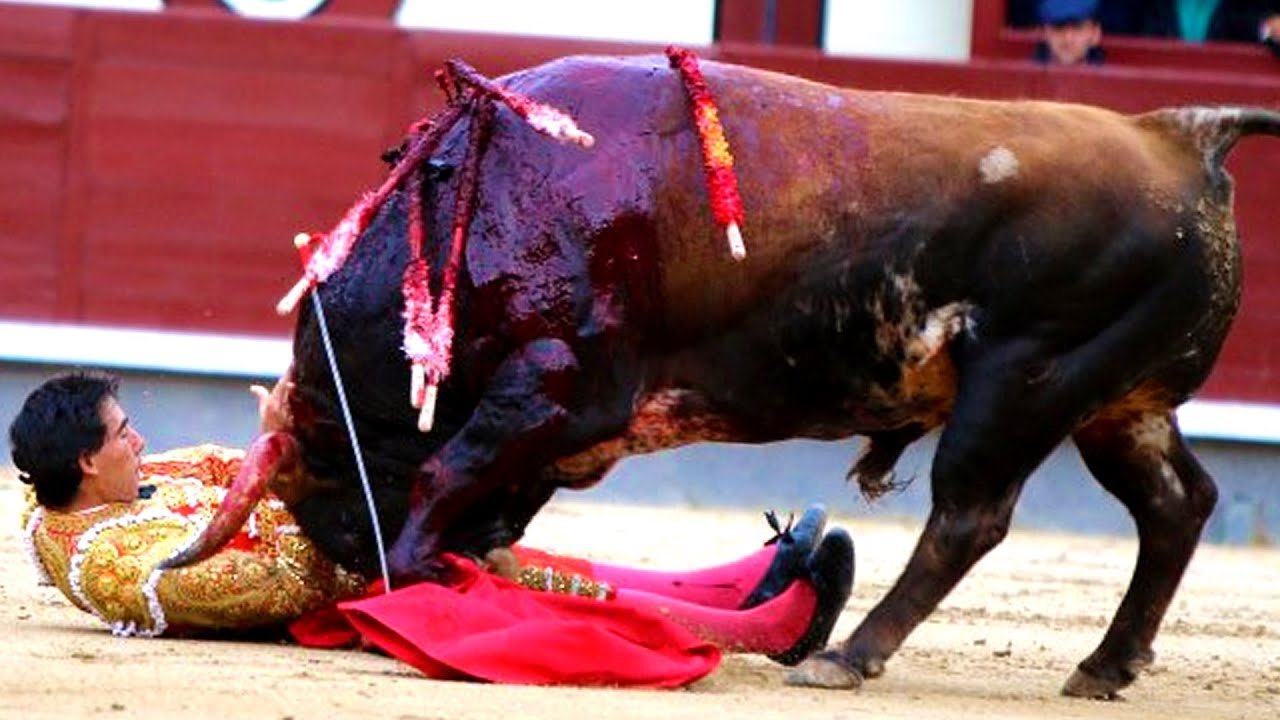
The well-known Spanish sport of "tricking" the bull with a red cape and killing it with a sword has attracted much controversy in recent years over purposely angering a bull and killing the animal in an essentially rigged game. Bull fighting is still legal in much of Spain; however, the city of Barcelona outlawed bull fighting in 2006. Bloodless bull fighting has also sprung up in some parts of the United States for people with the balls to anger a bull. 

Alligator wrestling
Another man vs. wild sport, the art of bending a massive prehistoric reptile to your will provides obvious risks to the human involved. The human involved, usually a big, beefy man, generally wades into the pool and thrashes about with the alligator, usually trapping the animal's powerful jaws to prevent any fatal bites. While reaching its' peak in the 1960s and 1970s, the sport still exists in Florida and Louisiana. Dangerous? Yes. Fun? Depends on your point of view. 

Games with animals still flourish in many capacities, but it is clear that in a world with shifting views on how we treat animals, that games that harm animals for our own amusement are quickly going out of fashion. Even as we eat more meat and fish, continue to flock to zoos, and drive animals to the endangered species list, there are small steps to make. One of them could be to ban or at the very least, show your distaste for sports that seek to exploit animals for who they are. Who knows? Maybe these sports will be gone one day, maybe they'll thrive. At the end of the day, you must ask yourself: is it worth it? 

Saturday, May 14, 2016

Stripes of Death: Dangers of the Biggest Cat

Stripes of Death: Dangers of the Captive Cats


Today we're discussing the dangers of big cats in captivity in the wake of the unfortunate death of Stacey Konwiser of the Palm Beach Zoo reported a few weeks ago. The issue is huge, a lot bigger than you think. You'd think there aren't that many pet tigers roaming around the country, but there is an estimated 5000-10000 captive tigers scattered across the United States (there is no official census, so we are left with only estimates). That's more than the entire Asian wild population put together. Of those, only a small percentage is in the hands of AZA (American Association of Zoos & Aquariums) accredited zoos, the majority being in the possession of private owners. For simplicity's sake, we'll be focusing on the dangerous aspects of tigers in captivity and how problematic it can be to have the largest cat in captivity, in both accredited zoos and private ownership. Pet tiger legislation and the actual ownership of tigers will be focused in later posts.

So, what's so bad about having a tiger as a pet? We have cats in captivity and surely tigers can't be that dangerous? If you have a shred of sense in your body, you should realize that tigers are some of the most formidable creatures that walk the earth. With great strength, speed, and agility and armed with sharp teeth and claws, tigers are the largest cats in the world and not animals you should ever mess with (then again, it's usually not smart to mess with tigers). While tigers are certainly dangerous , if handled effectively and safely, they pose little risk to their caretakers.

Tigers have been in captivity for only a few centuries (compared to lion training which has dated back thousands of years) and the art of keeping tigers in captivity is still being slowly figured out, although accredited zoos have had some success in keeping tigers in captivity. There are three groups that tigers fall in when kept in captivity: zoos & sanctuaries, private owners, and circuses. Most respectable institutions, like accredited zoos and sanctuaries, ban all free contact with the tigers. That means the keepers are never in the exhibit with the tiger and are trained with a strong wall separating the two. The only reason for the keepers to be close would be a veterinary checkup where the cats are generally put under anaesthetics and monitored closely.

Some private owners follow the same precautions as accredited zoos, but the Internet is proof that many private tiger owners cuddle, play, and swim with their striped "pussy cats" as if they were simple house cats. Some even share their homes with their tigers and treat them like part of the family. This is incredibly dangerous. Some private owners believe that their relationship with their tiger will keep them from harm, but this is simply not the case. Friendship or not, it is impossible to breed the wild instinct from the tiger.

Circuses fall in the gray area of tigers in captivity. As part of the act, the trainers go into the ring with the tigers (often accompanied by lions) and it takes an enormous amount of training and respect for a trainer to share a space with ten tigers without being ripped apart. Most professional circuses (like Ringling Brothers) employ many safety measures and protocols after receiving a bad reputation and while life on the road isn't ideal for tigers, they are certainly treated better than some "pet" tigers.

Stacey Konwiser was an experienced tiger keeper. She was recently killed by a male Malayan tiger at the Florida zoo where she worked at. While she certainly had a great love for the cats that she dedicated her life to, it was by the USDA (United States Department of Agriculture) reported that she went into the enclosure without following protocol. The tiger almost instantly delivered a fatal neck injury. Zoo personnel were able to tranquilize the tiger, citing that if they shot the tiger, they could've harmed Konwiser who's condition was unknown at the time.

Konwiser isn't the only one to fall victim to the captive tiger. Most notable is the death of a teenager at the claws of a female Siberian tiger named Tatiana. Tatiana resided at the San Francisco Zoo for several years where she also rose to recognition for grabbing a zookeeper's arm that came too close. Three teenagers visited the zoo on Christmas Day of 2008 and taunted the tiger by throwing items into her exhibit and hanging their leg off the rail. Reports show that the trio had alcohol and signs of marijuana in their systems. Enraged at the teasing, Tatiana leapt from her exhibit (the exhibit's moat was five feet less than the AZA-recommended standards) and mauled the three teenagers. She managed to kill one, with the other two fleeing from the maddened tiger. This marks the first death of a visitor in the history of the AZA-accredited zoos. Tatiana was later killed by the police that rushed onto the scene.

Tigers are very dangerous animals that should not be taken lightly. Sometimes we get so caught up in their beauty and grace, we forget that these animals are much more lethal than we'd like them to be. Our portrayals of tigers in the media, whether it's Tigger from Winnie the Pooh, Tony the Tiger, or even the tiger that was slowly trained in Life of Pi, makes us believe that tigers are just animals that can coexist with us with a lot of love and respect. Tigers do not make good pets and even for professional zoo keepers they can be quite powerful. This is an issue that should not be taken lightly. Maybe your state has no laws banning the private ownership of tigers or maybe you have seen a zoo tiger attacking it's meal. Whatever your beliefs, know that in the wrong hands, tigers in captivity can be one's last decision.

Author's Note: Tigers in captivity have always fascinated me due to their prevalence in the United States and popularity among exotic pet owners. I also extensively researched the San Francisco Zoo tiger attacks (I even passed the zoo on my way to Christmas dinner during the attack) and it's a illuminating case study of a professional zoo that without the right protocols, can be more harmful than they appear. Private tiger ownership is not a huge concern for many because it has no long term harmful effects on humans, but definitely is not good for the tigers. Is it responsible for us as the dominant species to hold these majestic animals in small cages for our own personal amusement? More tiger ownership will be discussed in later posts.